What these claims are about
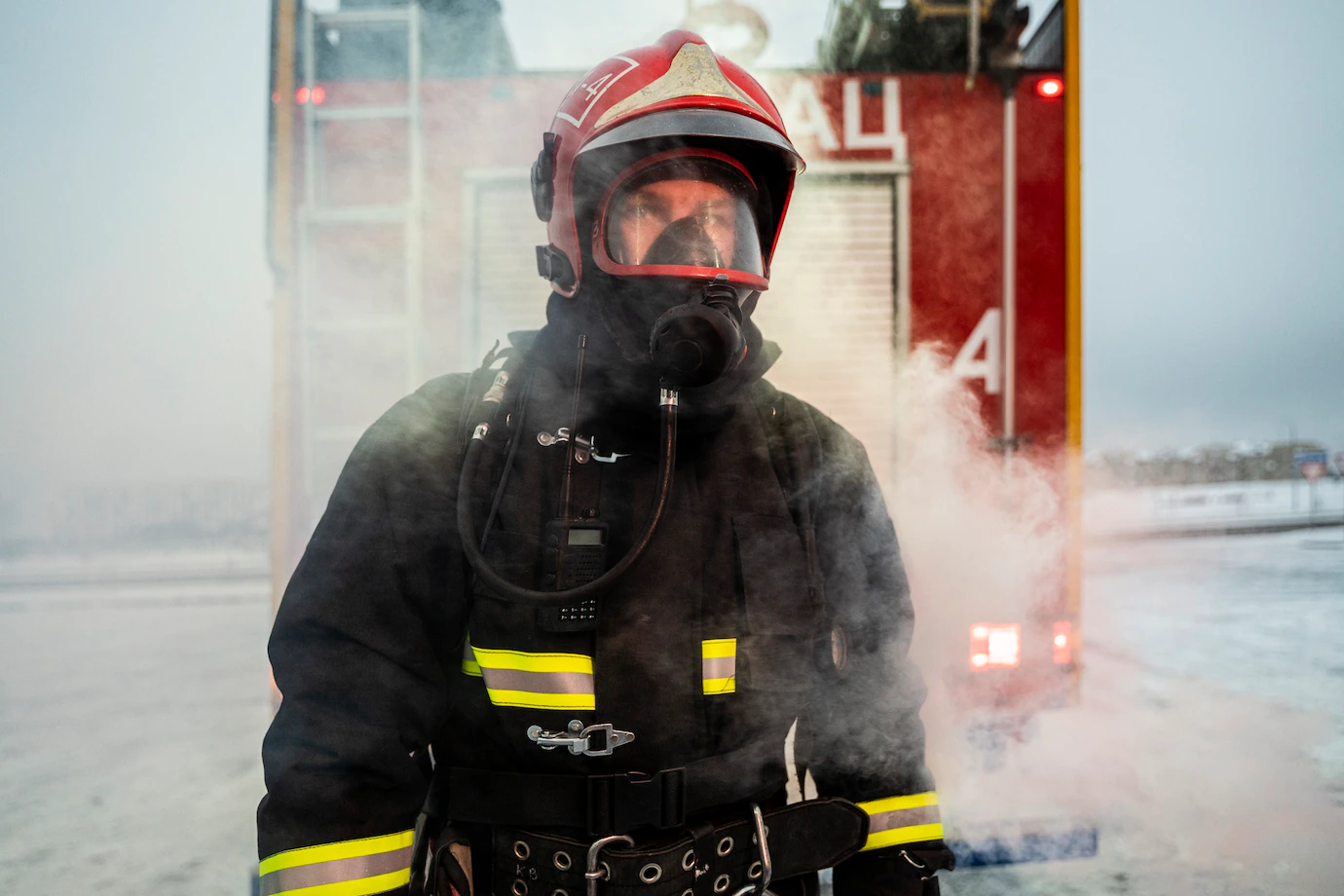
AFFF is a firefighting foam used for fuel fires, and it contains PFAS chemicals. Lawsuits allege that repeated exposure is associated with kidney cancer, testicular cancer, thyroid disease, ulcerative colitis and other conditions, and that the risks were known and not adequately disclosed.
Which conditions are being accepted changes as the litigation develops, and whether exposure caused any individual illness is decided case by case.
Who tends to be affected
Military firefighters and service members, civilian and municipal firefighters, airport and Navy crash crews, refinery and chemical plant workers, and people who trained with the foam repeatedly.
Some claims also come from people whose drinking water was contaminated by runoff from a base or a training site rather than from handling the foam.
What helps a claim
You do not need any of this to talk to us — start with what you know and we will work out the rest. But these are the things that make a claim easier to evaluate, and they are worth gathering while you can.
- Your diagnosis and roughly when it was made
- Where you served or worked, and in which years
- Whether you used the foam in training, in live fires, or both
- Military service records, including duty stations
- Employment records for fire, airport or industrial work
- Where you lived, if the exposure was through contaminated water
Questions people ask about this claim
Does military service make this a VA matter rather than a lawsuit?
They are separate. A VA claim and a lawsuit against the manufacturers are different processes and pursuing one does not usually rule out the other. A lawyer can explain how they interact in your case.
I trained with it but never fought a real fire.
Training exposure is the most common exposure in these claims. Repetition is what matters, not whether the fire was real.
What does it cost to ask?
Nothing. The review and the call are free, and the law firms in these cases generally work on a contingency basis, meaning their fee comes from a recovery rather than from you up front. Get the terms in writing before you sign anything.
How long do I have to bring a claim?
It depends on your state and on the type of claim, and in some cases the clock starts when you found out you were harmed rather than when it happened. That is genuinely worth asking about rather than assuming. Contacting us does not pause any deadline.
What if I am not sure I qualify?
Then ask. Working that out is the point of the review, it costs nothing, and if we do not think you have a claim we will tell you so.
Start a free case review